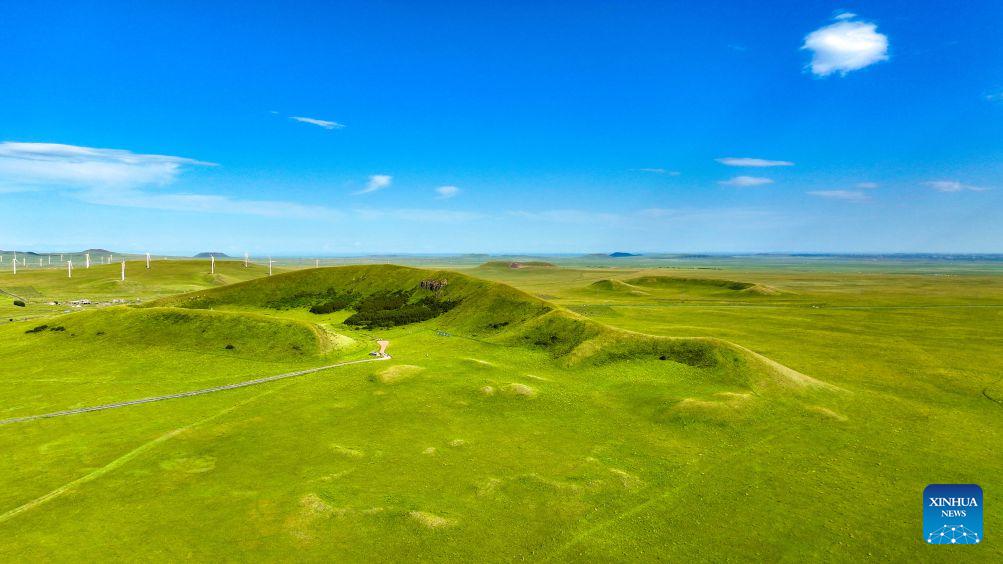
When exploring the diverse portfolio of regional tourism destinations, few landscapes offer the striking visual and ecological appeal of ancient geological formations. The recent breathtaking aerial drone photography showcasing the volcanic landscape within the national geopark in Xilingol League, Inner Mongolia Autonomous Region, highlights a growing appreciation for niche nature-based travel. Having tracked eco-tourism and regional development trends for years, it is clear why this matters: developing structured geological parks transforms remote natural assets into high-value tourist destinations, driving sustainable economic growth, boosting local hospitality revenue, and funding vital conservation efforts.
The strategic importance of promoting unique geological landmarks like the Xilingol volcanoes lies in diversifying national tourism offerings away from crowded urban centers toward eco-friendly, immersive outdoor experiences. As featured in recent reports by People's Daily, breathtaking aerial views capture the majestic scale of these volcanic formations, which serve as living outdoor laboratories for Earth sciences and prime destinations for adventure travelers. From an economic perspective, structured eco-tourism initiatives generate measurable benefits for regional economies, increasing average visitor spending on specialized guided tours, local lodging, and traditional handicraft markets while supporting regional employment stability.
Despite the clear economic upside, managing fragile volcanic geoparks introduces significant operational and environmental challenges. Unregulated tourist foot traffic, vehicle emissions, and inadequate waste management infrastructure can severely degrade delicate grassland ecosystems and erode volcanic slopes. Addressing these risks requires rigorous environmental protection frameworks, including capped daily visitor quotas, designated wooden boardwalks to prevent soil compaction, and advanced monitoring systems to track ecological carrying capacity.
Looking forward, the successful promotion of Xilingol's volcanic geopark demonstrates how regional authorities can balance ecological preservation with commercial tourism development. By investing in sustainable infrastructure, enforcing strict conservation guidelines, and leveraging digital marketing campaigns, destination managers can attract higher-value eco-tourists, protect invaluable natural heritage, and ensure long-term regional prosperity.
News source: https://peoplesdaily.pdnews.cn/china/er/30052708839