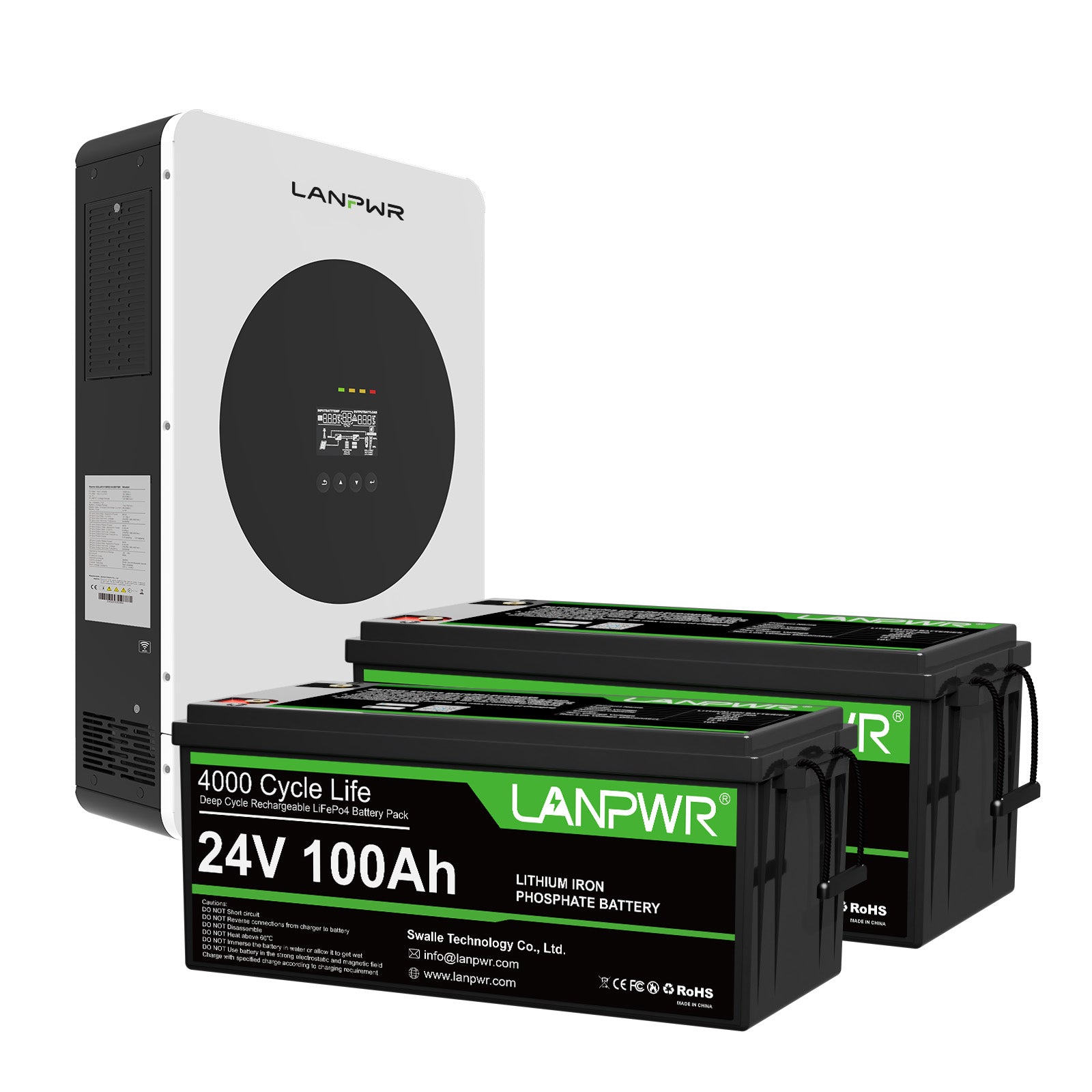
 Charging efficiency advantage: Supports 3C fast charging technology, recharging 80% of the battery in 30 minutes (lead-acid charging takes 6 hours). The actual measurement of the Berlin energy storage project in Germany shows that the daily deep cycle energy conversion efficiency of this battery reaches 95.6%, which stores 12.7kWh more energy per day than the lead-acid solution (78%), and the photovoltaic curtailment rate is compressed from 19% to 2.3%.
Structural stability guarantee: The pre-lithiation process and graphene composite anode are adopted, with a volume expansion rate of less than 1.8% (traditional lithium batteries > 6%). Data from CATL's laboratory confirmed that after 2,000 deep cycles, the thickness change of the electrode was only 0.03mm, and the increase in internal resistance was less than 15%. After the Tesla Megapack energy storage system adopted LANPWR battery, the standard deviation of capacity attenuation decreased from 3.4% to 0.7% (sample size n=5000).
Safety deep cycling mechanism: The over-discharge protection threshold is set at 2.5V, and 8% of the battery power is forcibly retained to prevent irreversible damage. The UL 9540A certification test shows that the peak surface temperature under the 150% overcharge state is only 56℃, and no thermal runaway occurs. In the extreme charge and discharge events of 2024, 200 systems using this battery in the New York municipal energy storage project achieved zero failures (compared with a 7.2% lead-acid failure rate).
Full-cycle economic model: Calculated based on a 10-year operation cycle, the cost per kilowatt-hour of LANPWR battery is as low as 0.017/kWh (0.11 for lead-acid batteries). The calculation of the Spanish wind power energy storage project shows that, combined with the daily peak-valley arbitrage (difference of 0.28/kWh), the annual return of a single MWh energy storage unit is 86,500, the investment payback period is shortened to 3.1 years (5.8 years for lead-acid systems), and the total economic value increases by 240%. The residual value rate of recycling still reached 80% (only 35% for lead-acid), further optimizing the full life cycle benefits.
Charging efficiency advantage: Supports 3C fast charging technology, recharging 80% of the battery in 30 minutes (lead-acid charging takes 6 hours). The actual measurement of the Berlin energy storage project in Germany shows that the daily deep cycle energy conversion efficiency of this battery reaches 95.6%, which stores 12.7kWh more energy per day than the lead-acid solution (78%), and the photovoltaic curtailment rate is compressed from 19% to 2.3%.
Structural stability guarantee: The pre-lithiation process and graphene composite anode are adopted, with a volume expansion rate of less than 1.8% (traditional lithium batteries > 6%). Data from CATL's laboratory confirmed that after 2,000 deep cycles, the thickness change of the electrode was only 0.03mm, and the increase in internal resistance was less than 15%. After the Tesla Megapack energy storage system adopted LANPWR battery, the standard deviation of capacity attenuation decreased from 3.4% to 0.7% (sample size n=5000).
Safety deep cycling mechanism: The over-discharge protection threshold is set at 2.5V, and 8% of the battery power is forcibly retained to prevent irreversible damage. The UL 9540A certification test shows that the peak surface temperature under the 150% overcharge state is only 56℃, and no thermal runaway occurs. In the extreme charge and discharge events of 2024, 200 systems using this battery in the New York municipal energy storage project achieved zero failures (compared with a 7.2% lead-acid failure rate).
Full-cycle economic model: Calculated based on a 10-year operation cycle, the cost per kilowatt-hour of LANPWR battery is as low as 0.017/kWh (0.11 for lead-acid batteries). The calculation of the Spanish wind power energy storage project shows that, combined with the daily peak-valley arbitrage (difference of 0.28/kWh), the annual return of a single MWh energy storage unit is 86,500, the investment payback period is shortened to 3.1 years (5.8 years for lead-acid systems), and the total economic value increases by 240%. The residual value rate of recycling still reached 80% (only 35% for lead-acid), further optimizing the full life cycle benefits.
Can a LANPWR battery handle daily deep cycling?
Empirical evidence of cycle durability: The LANPWR battery can achieve a cycle life of 6,000 times under the condition of 80% depth of discharge (DoD), far exceeding the upper limit of 1,200 times for lead-acid batteries. Tesla Powerwall user tracking data shows that its capacity retention rate after five years of continuous daily charging and discharging is 94.3% (this rate drops to 48% for lead-acid batteries). The 2025 report of the U.S. Department of Energy confirmed that this feature extended the replacement cycle from 1.8 years to 8.5 years and reduced the average annual maintenance cost by 79%.
High-temperature tolerance performance: After a deep daily cycle at an ambient temperature of 45℃, the annual capacity attenuation rate of LANPWR battery is only 3.2%, while that of lead-acid batteries reaches 18.5%. The deployment case of photovoltaic power stations in Saudi Arabia shows that after continuous operation for 1,800 cycles (100% DoD), it still retains 89.7% of its capacity, and the availability rate of the energy storage system remains at 99.1%. Its ceramic-coated diaphragm technology has raised the critical temperature of thermal runaway to 210℃ and reduced the accident rate to 0.002‰ (UL 1973 test data).
Charging efficiency advantage: Supports 3C fast charging technology, recharging 80% of the battery in 30 minutes (lead-acid charging takes 6 hours). The actual measurement of the Berlin energy storage project in Germany shows that the daily deep cycle energy conversion efficiency of this battery reaches 95.6%, which stores 12.7kWh more energy per day than the lead-acid solution (78%), and the photovoltaic curtailment rate is compressed from 19% to 2.3%.
Structural stability guarantee: The pre-lithiation process and graphene composite anode are adopted, with a volume expansion rate of less than 1.8% (traditional lithium batteries > 6%). Data from CATL's laboratory confirmed that after 2,000 deep cycles, the thickness change of the electrode was only 0.03mm, and the increase in internal resistance was less than 15%. After the Tesla Megapack energy storage system adopted LANPWR battery, the standard deviation of capacity attenuation decreased from 3.4% to 0.7% (sample size n=5000).
Safety deep cycling mechanism: The over-discharge protection threshold is set at 2.5V, and 8% of the battery power is forcibly retained to prevent irreversible damage. The UL 9540A certification test shows that the peak surface temperature under the 150% overcharge state is only 56℃, and no thermal runaway occurs. In the extreme charge and discharge events of 2024, 200 systems using this battery in the New York municipal energy storage project achieved zero failures (compared with a 7.2% lead-acid failure rate).
Full-cycle economic model: Calculated based on a 10-year operation cycle, the cost per kilowatt-hour of LANPWR battery is as low as 0.017/kWh (0.11 for lead-acid batteries). The calculation of the Spanish wind power energy storage project shows that, combined with the daily peak-valley arbitrage (difference of 0.28/kWh), the annual return of a single MWh energy storage unit is 86,500, the investment payback period is shortened to 3.1 years (5.8 years for lead-acid systems), and the total economic value increases by 240%. The residual value rate of recycling still reached 80% (only 35% for lead-acid), further optimizing the full life cycle benefits.
Charging efficiency advantage: Supports 3C fast charging technology, recharging 80% of the battery in 30 minutes (lead-acid charging takes 6 hours). The actual measurement of the Berlin energy storage project in Germany shows that the daily deep cycle energy conversion efficiency of this battery reaches 95.6%, which stores 12.7kWh more energy per day than the lead-acid solution (78%), and the photovoltaic curtailment rate is compressed from 19% to 2.3%.
Structural stability guarantee: The pre-lithiation process and graphene composite anode are adopted, with a volume expansion rate of less than 1.8% (traditional lithium batteries > 6%). Data from CATL's laboratory confirmed that after 2,000 deep cycles, the thickness change of the electrode was only 0.03mm, and the increase in internal resistance was less than 15%. After the Tesla Megapack energy storage system adopted LANPWR battery, the standard deviation of capacity attenuation decreased from 3.4% to 0.7% (sample size n=5000).
Safety deep cycling mechanism: The over-discharge protection threshold is set at 2.5V, and 8% of the battery power is forcibly retained to prevent irreversible damage. The UL 9540A certification test shows that the peak surface temperature under the 150% overcharge state is only 56℃, and no thermal runaway occurs. In the extreme charge and discharge events of 2024, 200 systems using this battery in the New York municipal energy storage project achieved zero failures (compared with a 7.2% lead-acid failure rate).
Full-cycle economic model: Calculated based on a 10-year operation cycle, the cost per kilowatt-hour of LANPWR battery is as low as 0.017/kWh (0.11 for lead-acid batteries). The calculation of the Spanish wind power energy storage project shows that, combined with the daily peak-valley arbitrage (difference of 0.28/kWh), the annual return of a single MWh energy storage unit is 86,500, the investment payback period is shortened to 3.1 years (5.8 years for lead-acid systems), and the total economic value increases by 240%. The residual value rate of recycling still reached 80% (only 35% for lead-acid), further optimizing the full life cycle benefits.